Rezon Bio Hosts Global BioPhorum Leaders in Poland
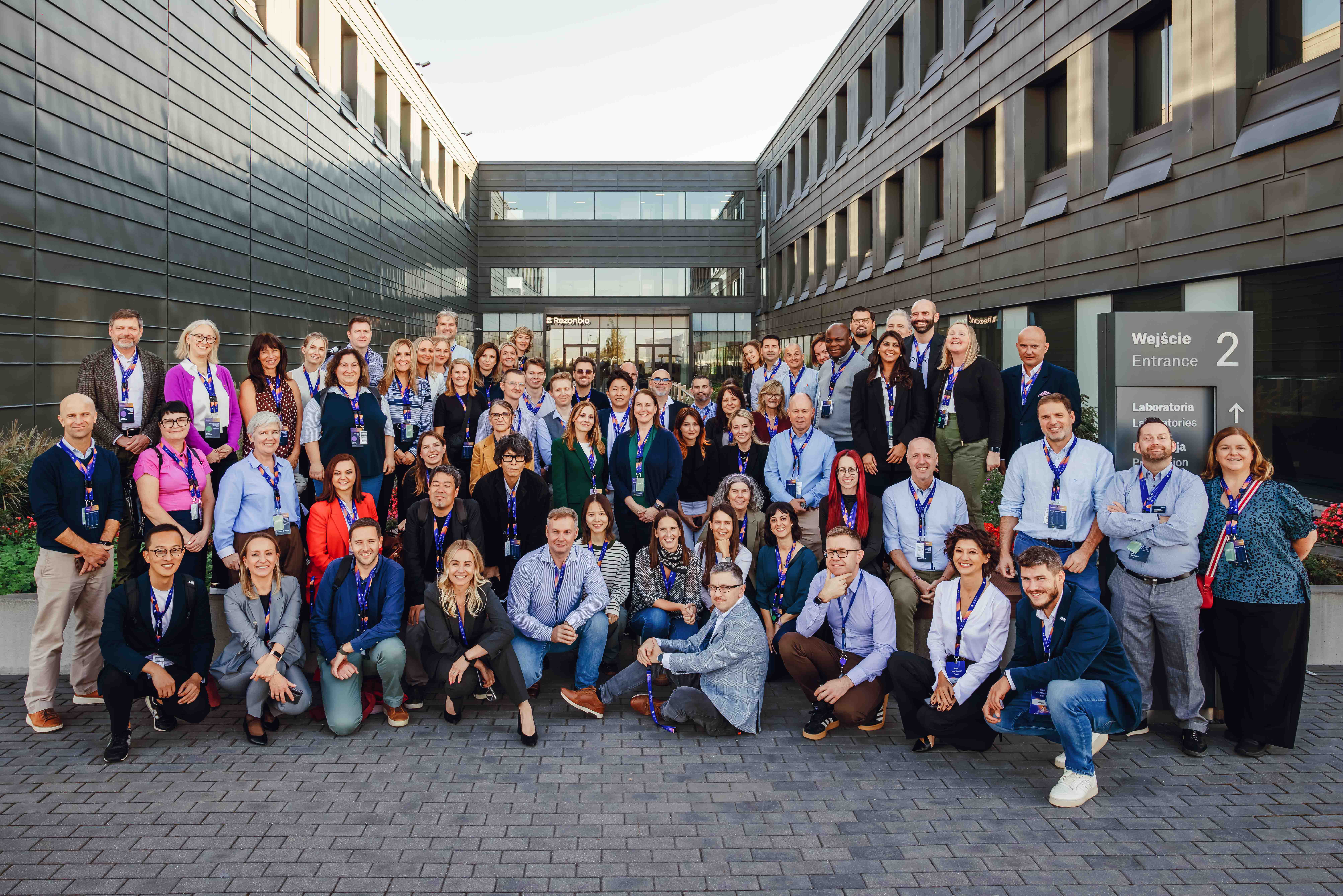
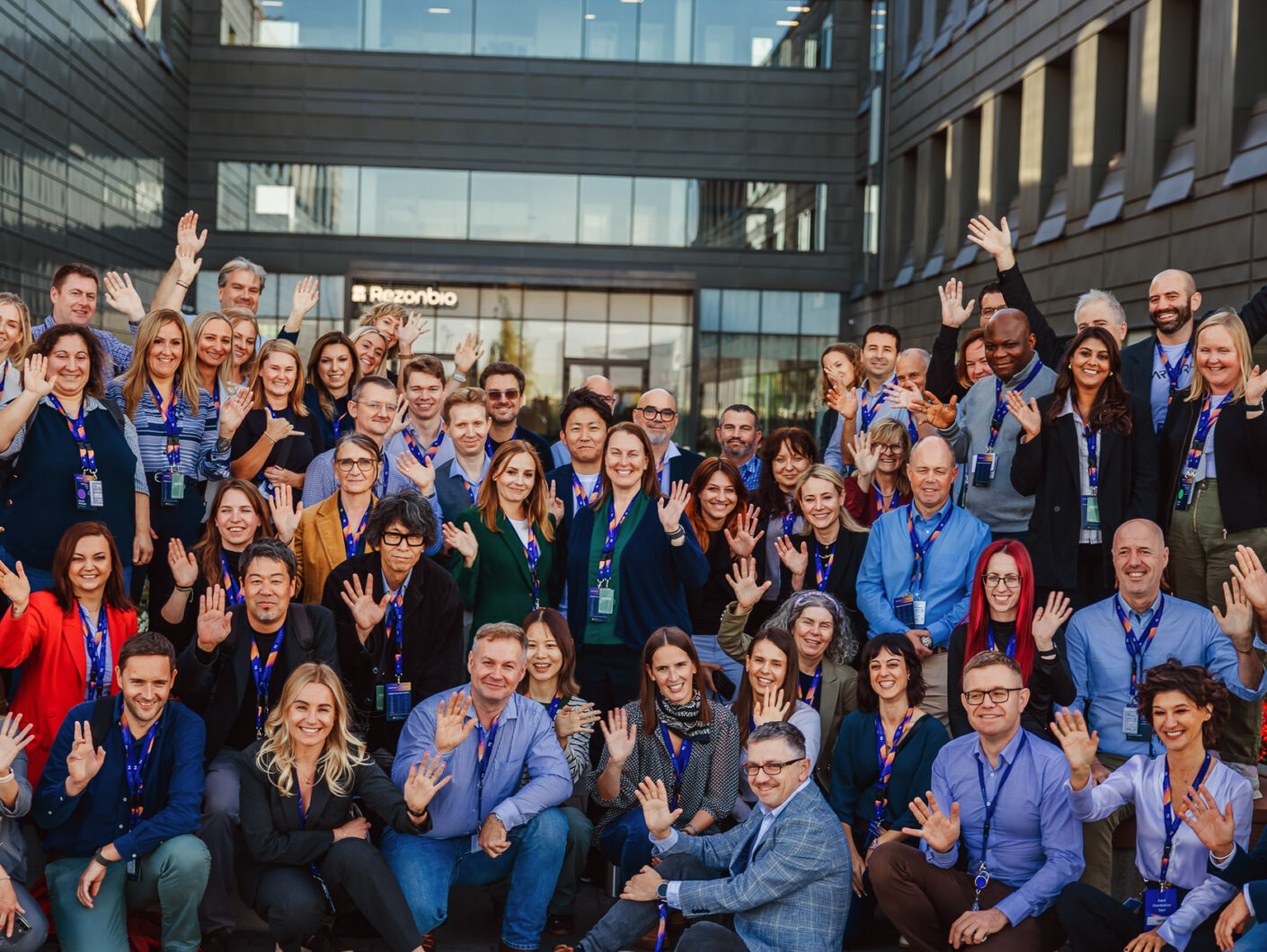
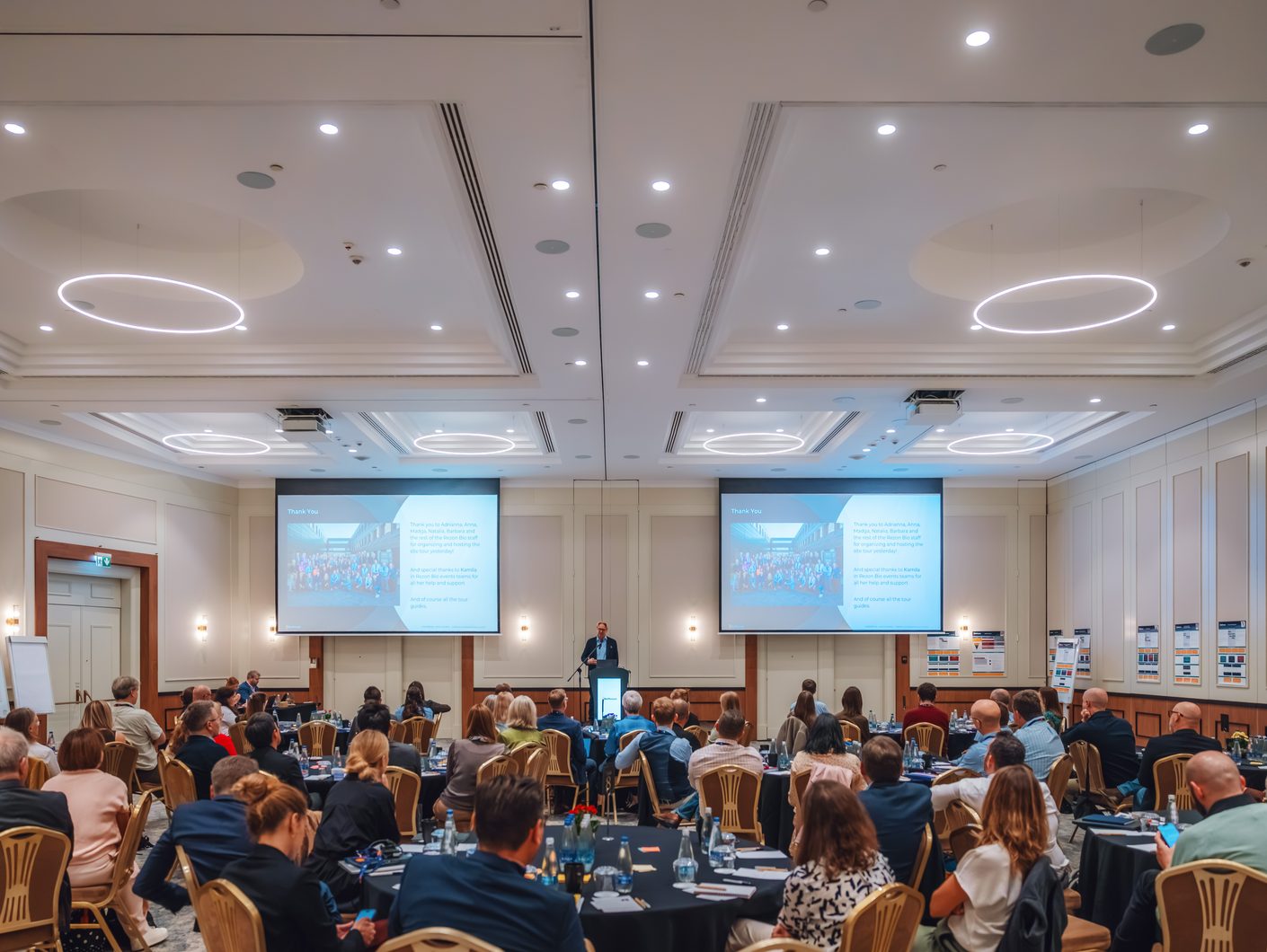
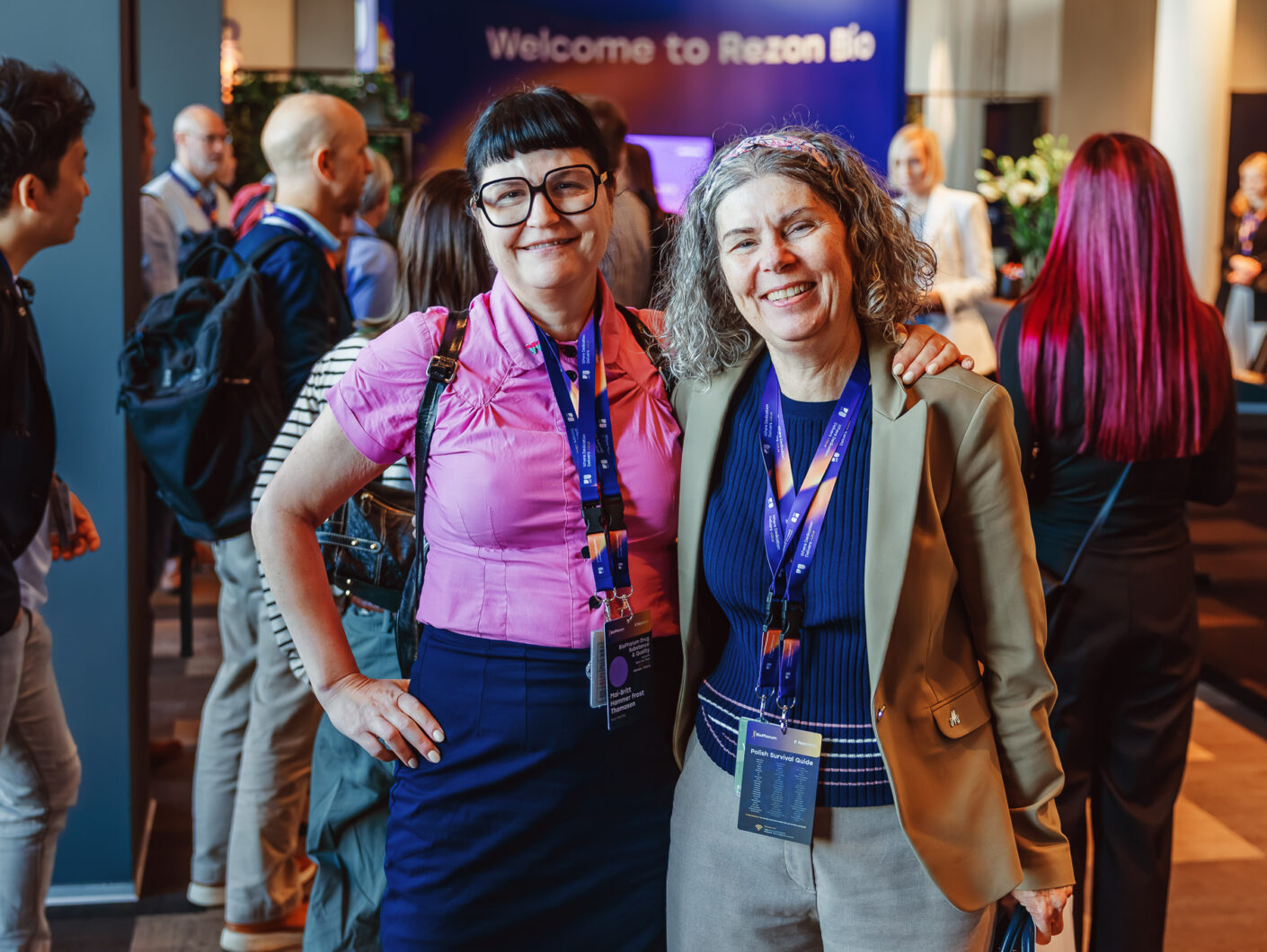
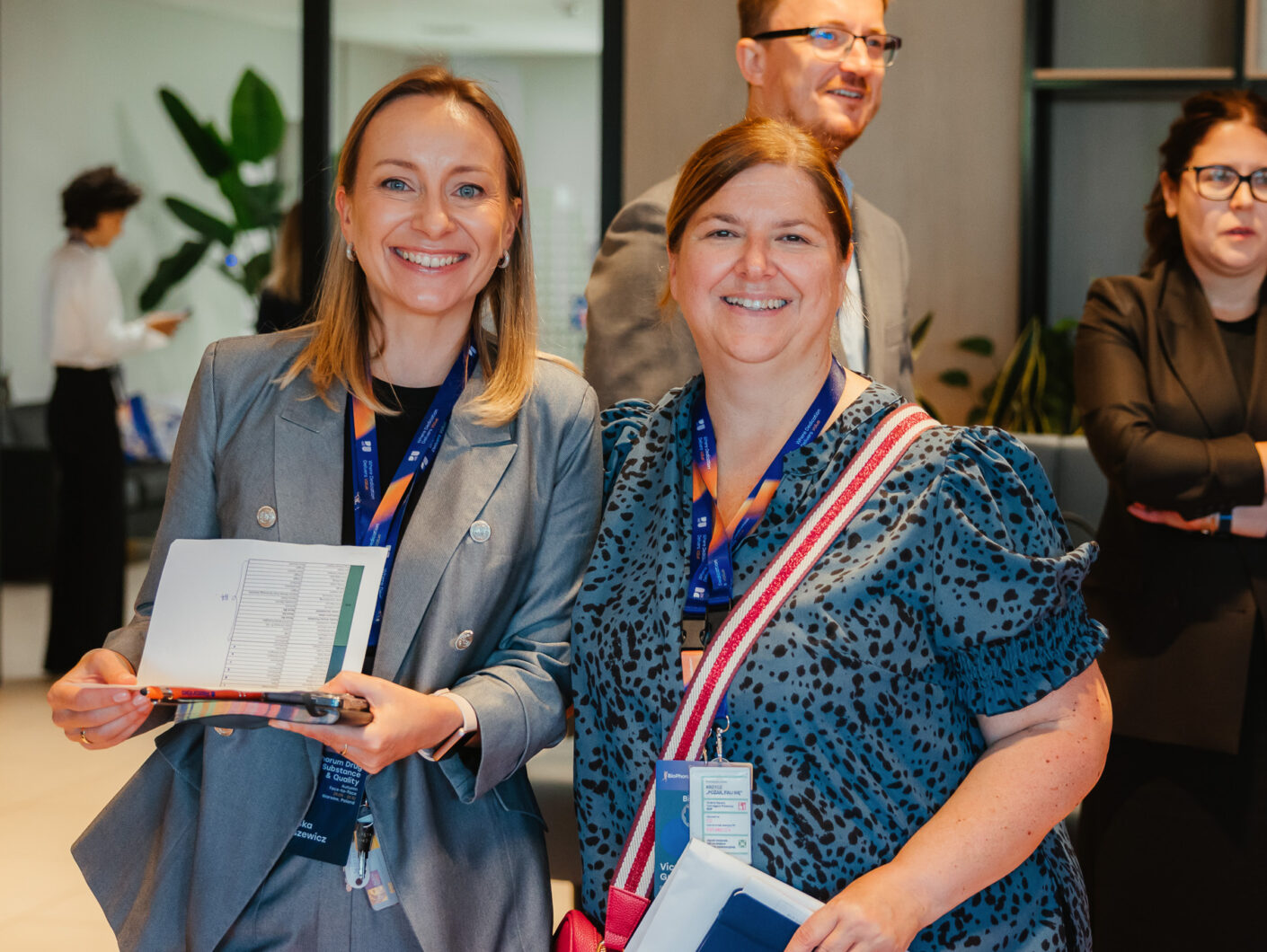
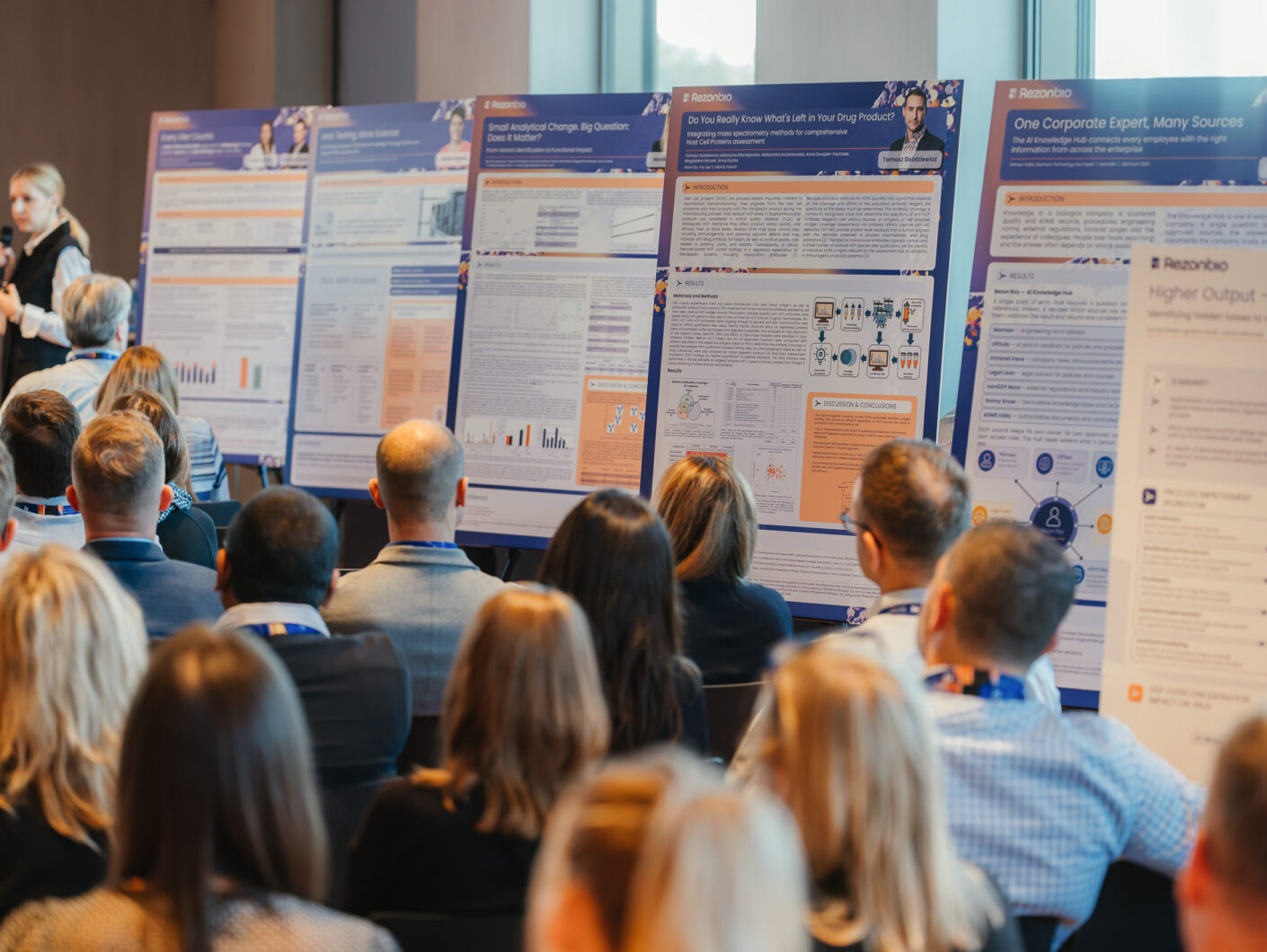
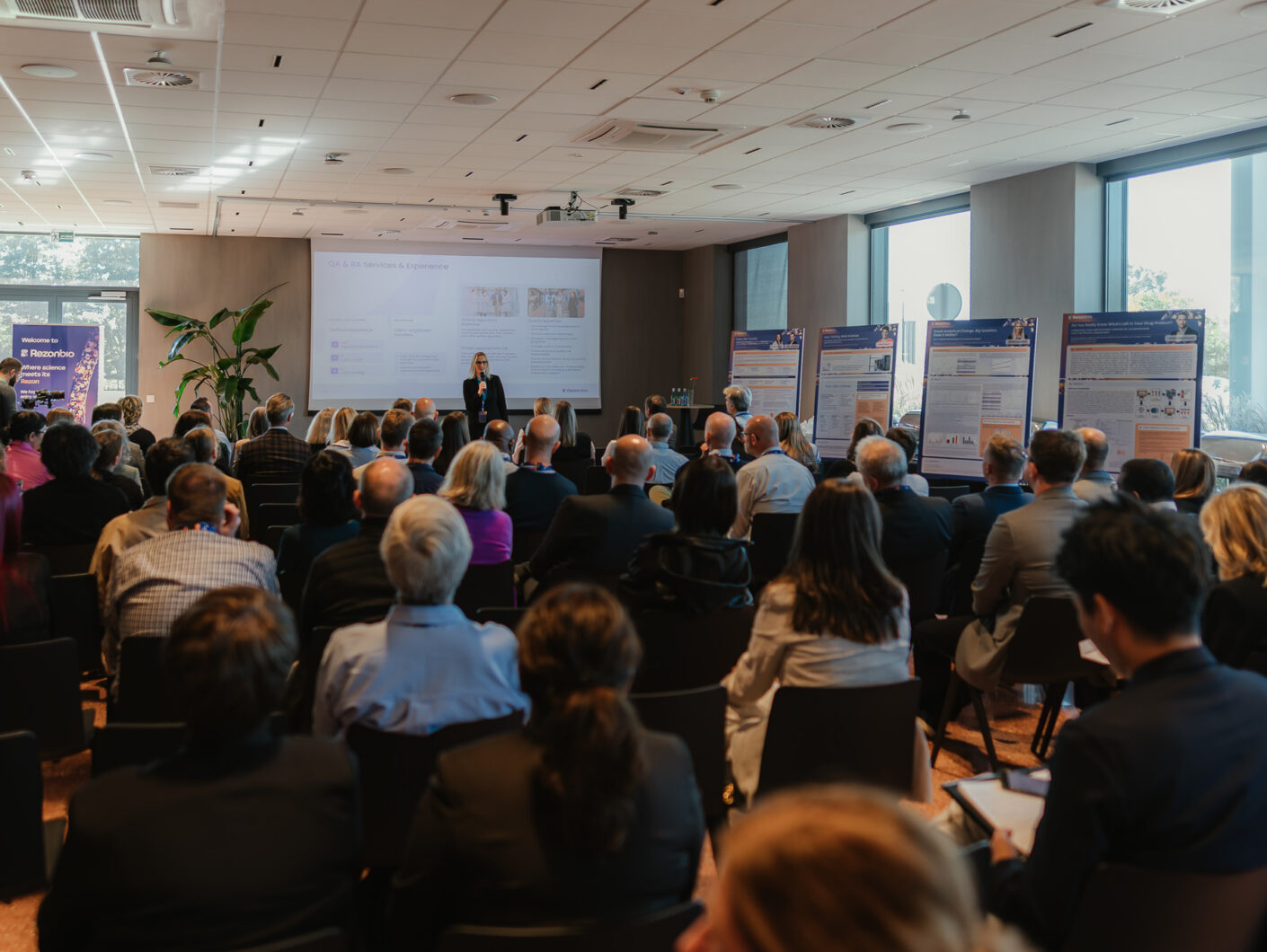
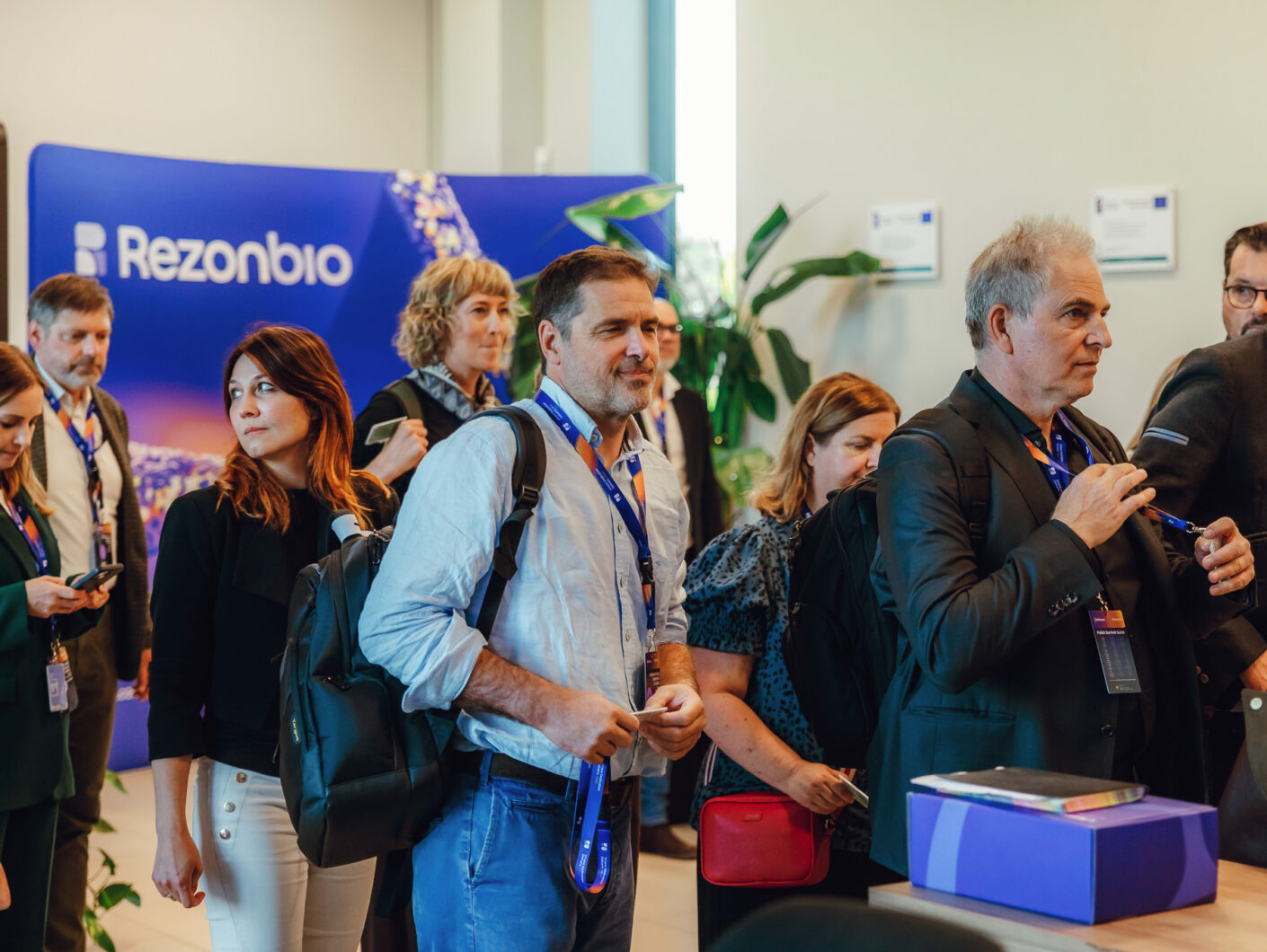
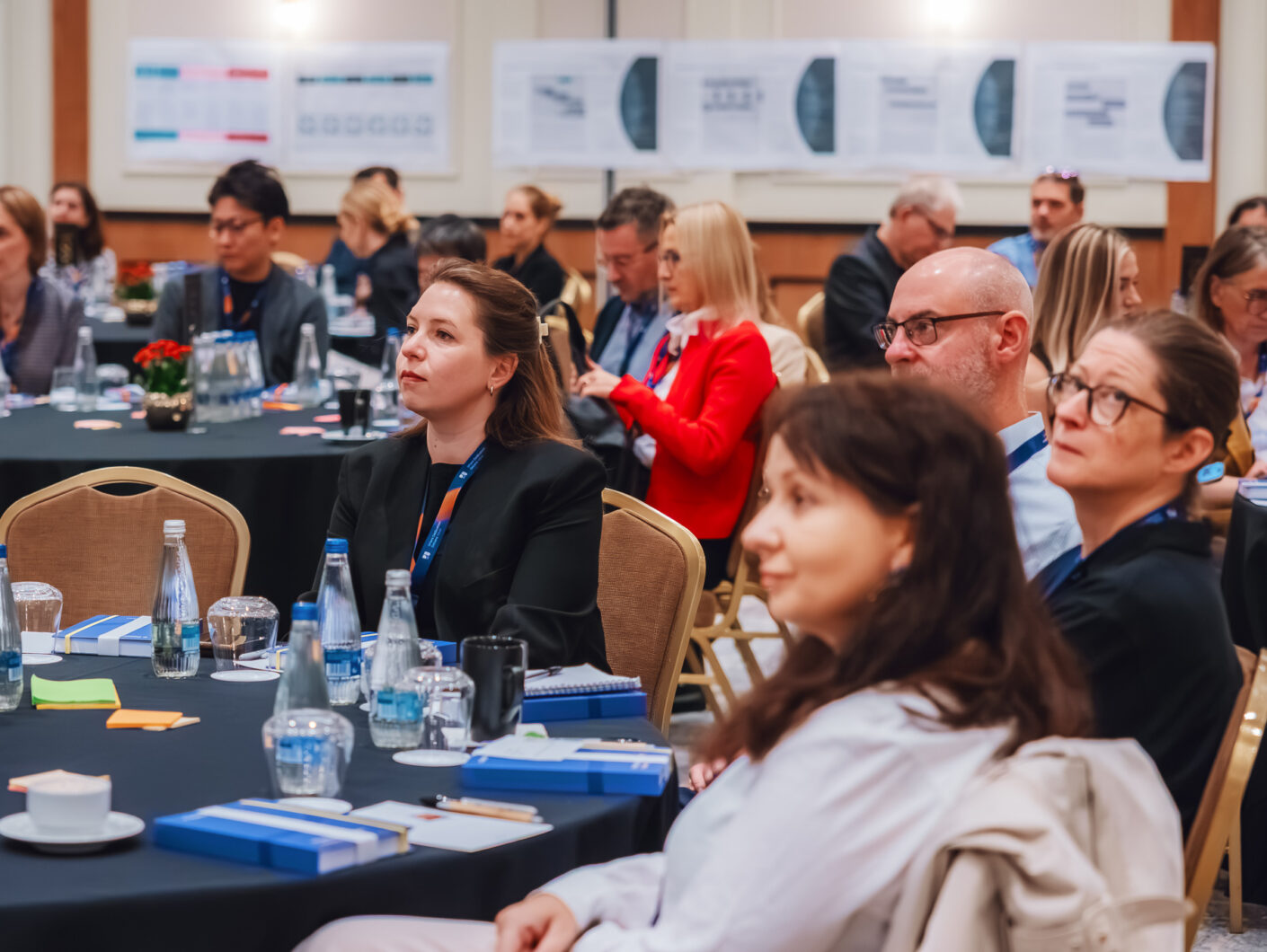
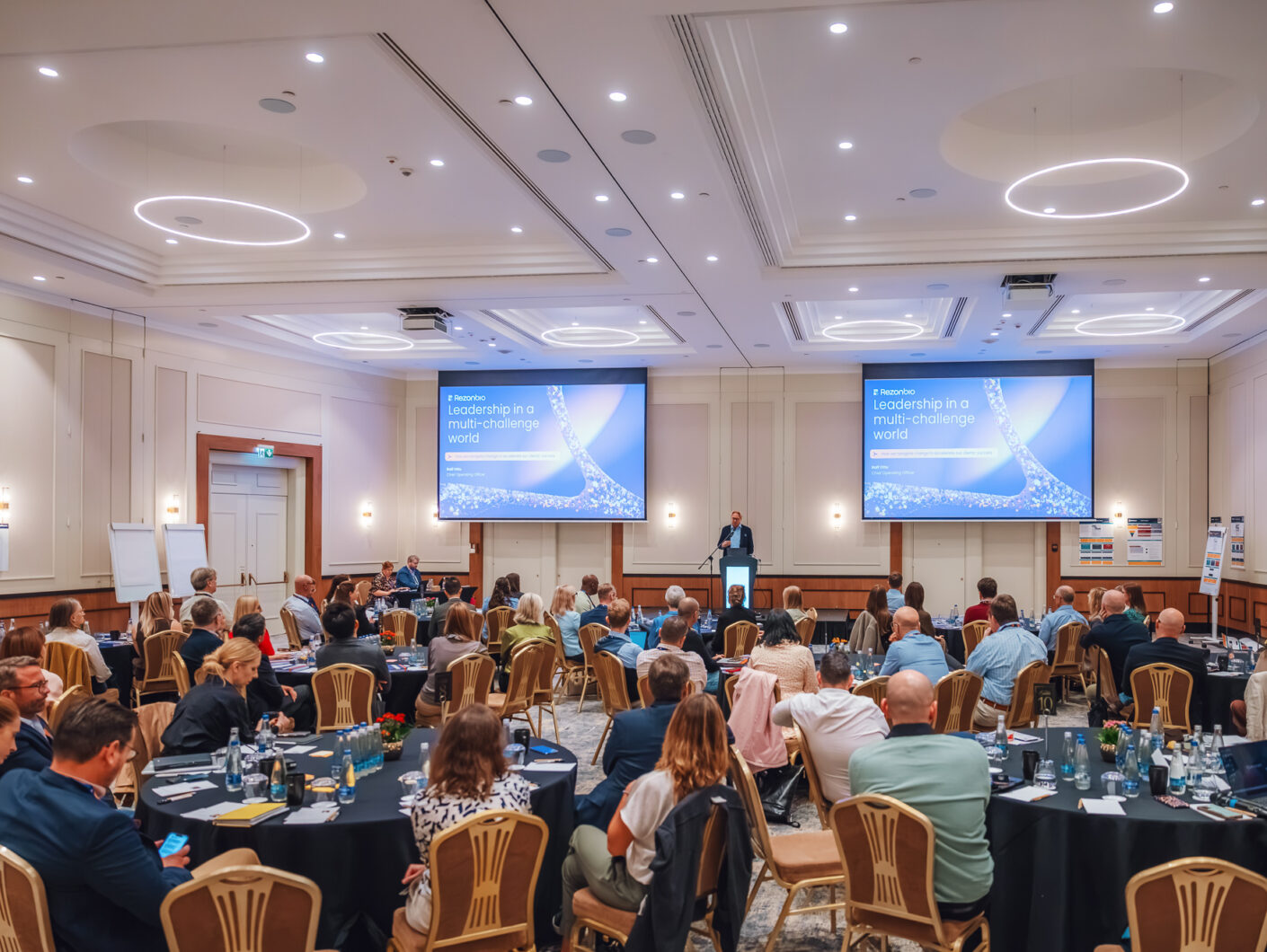
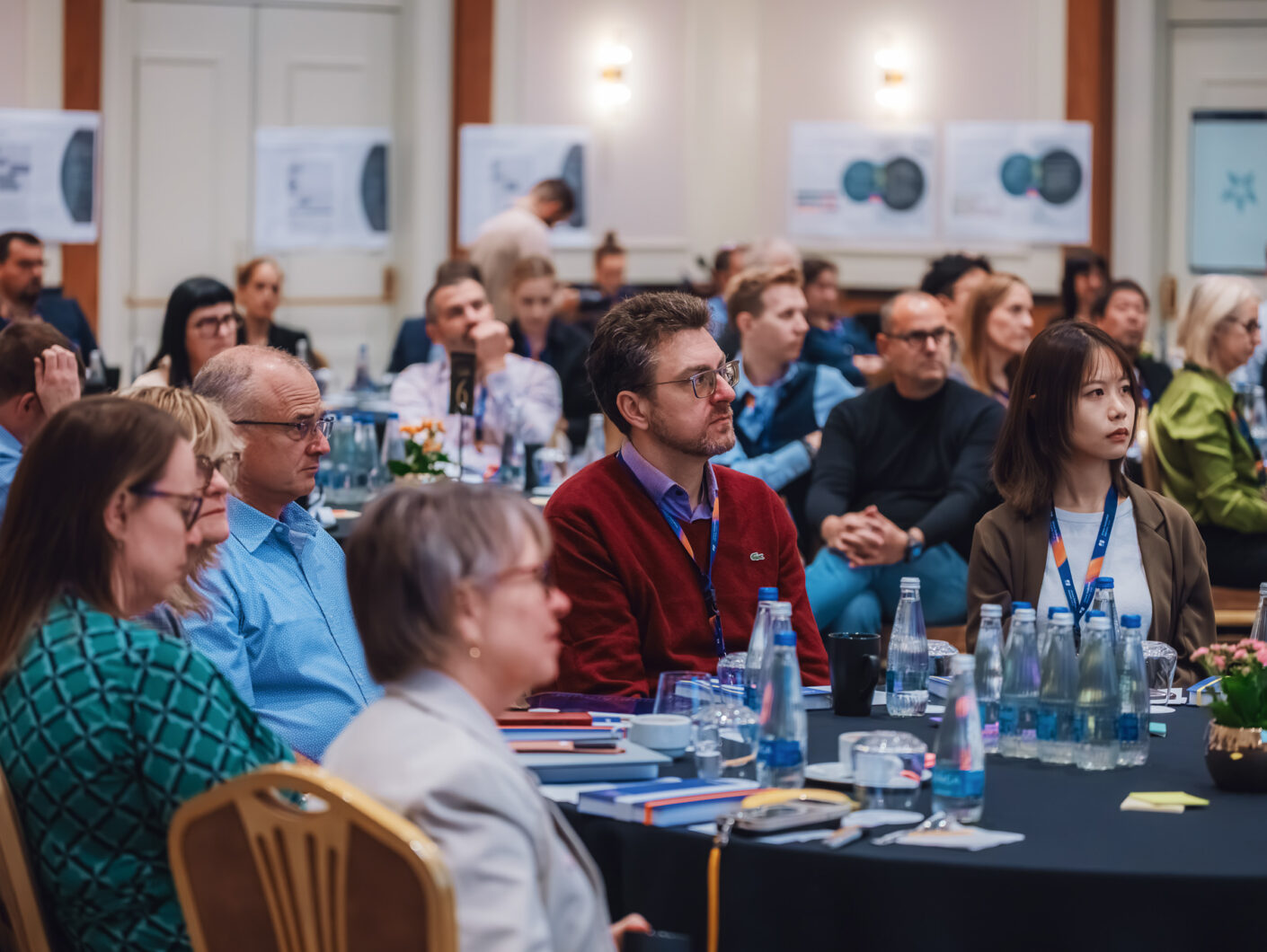
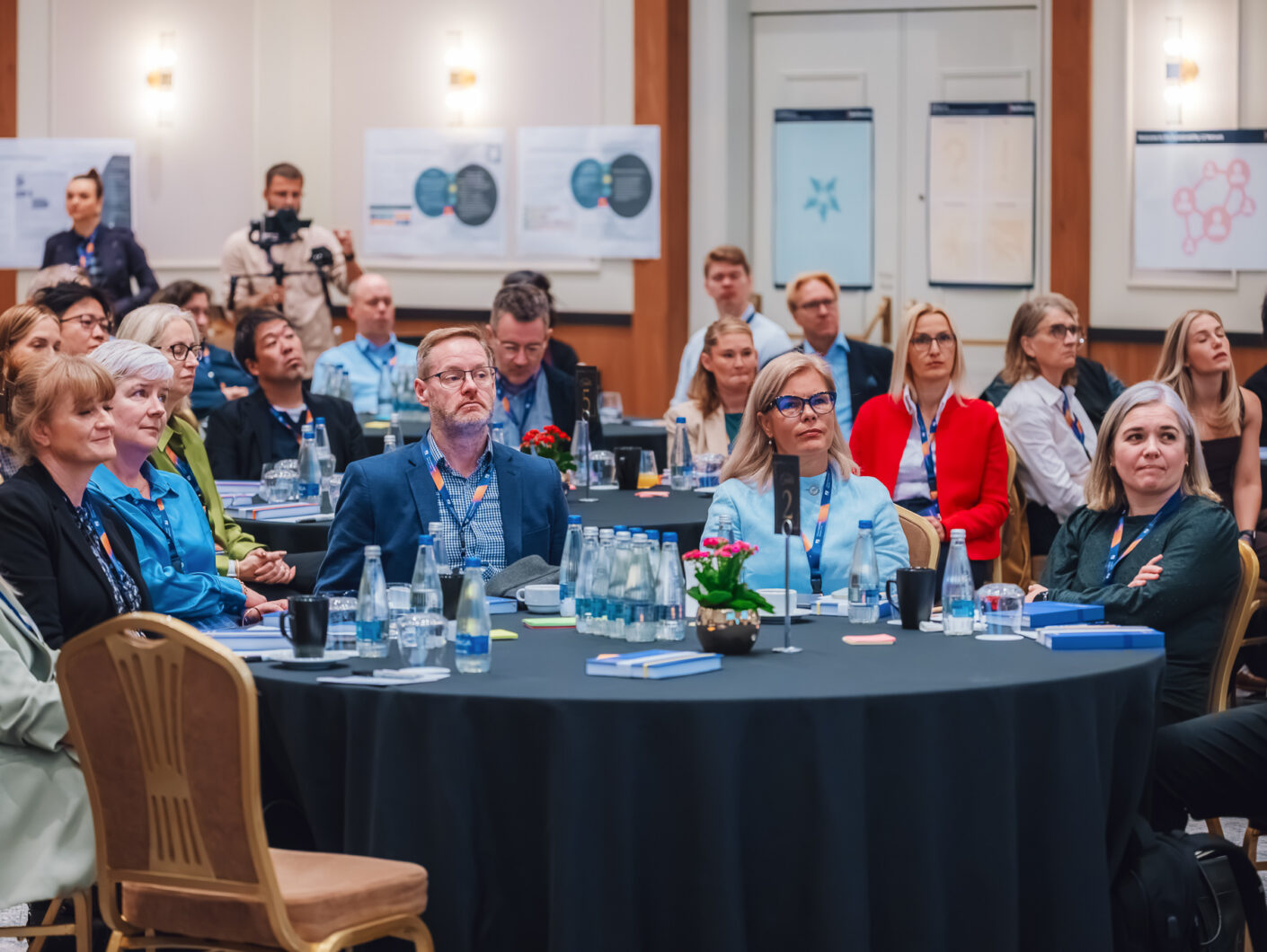
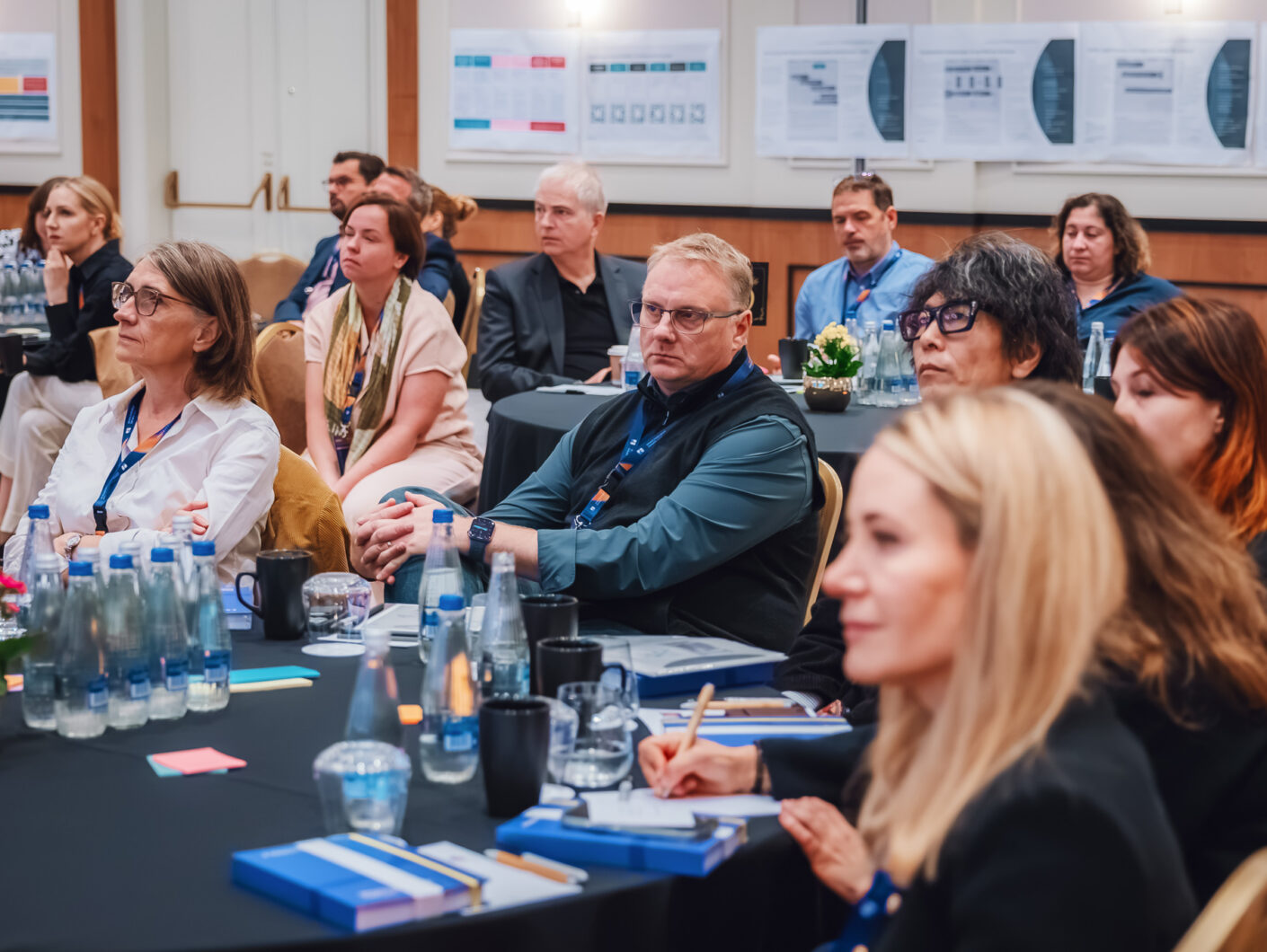
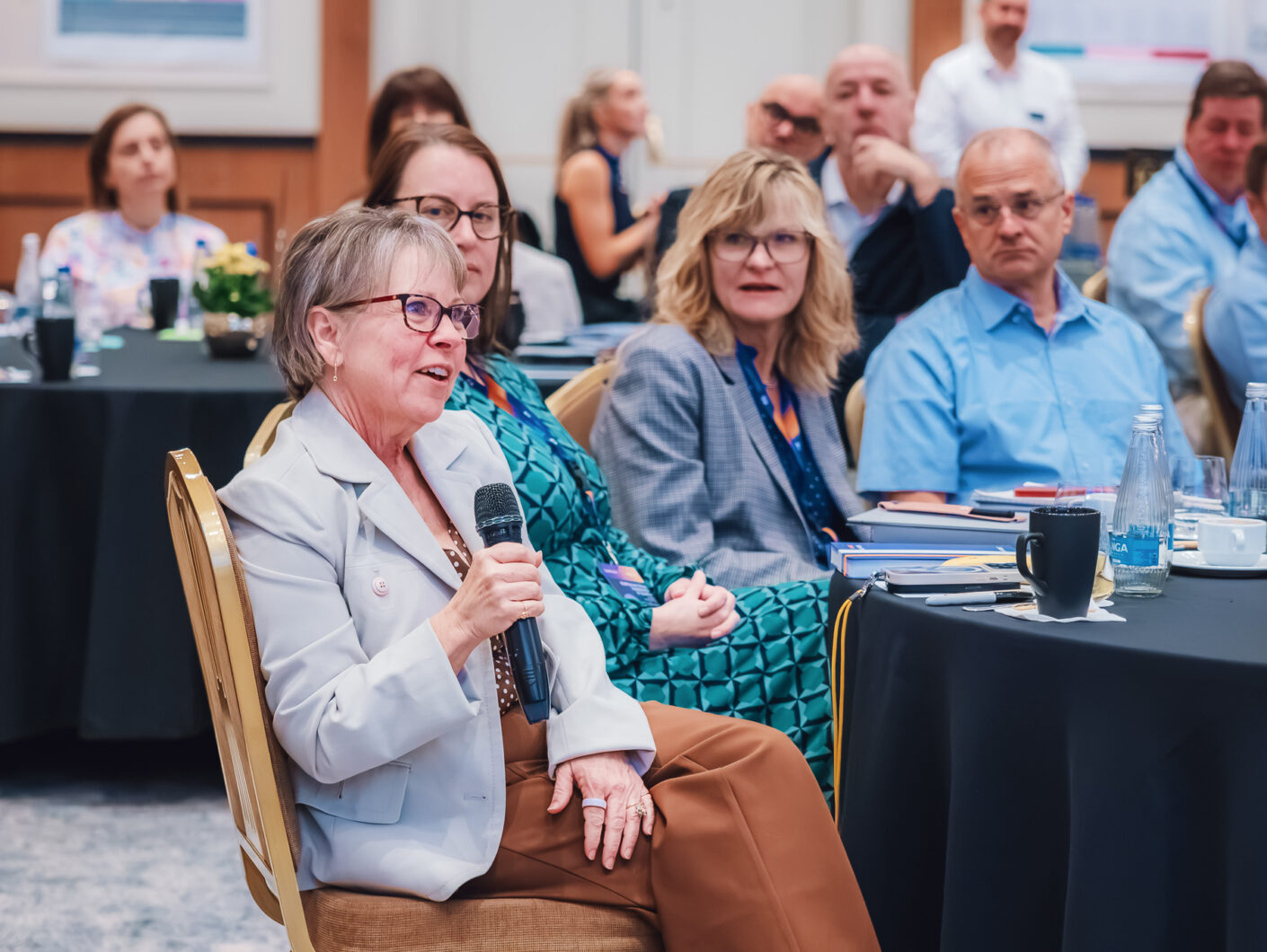
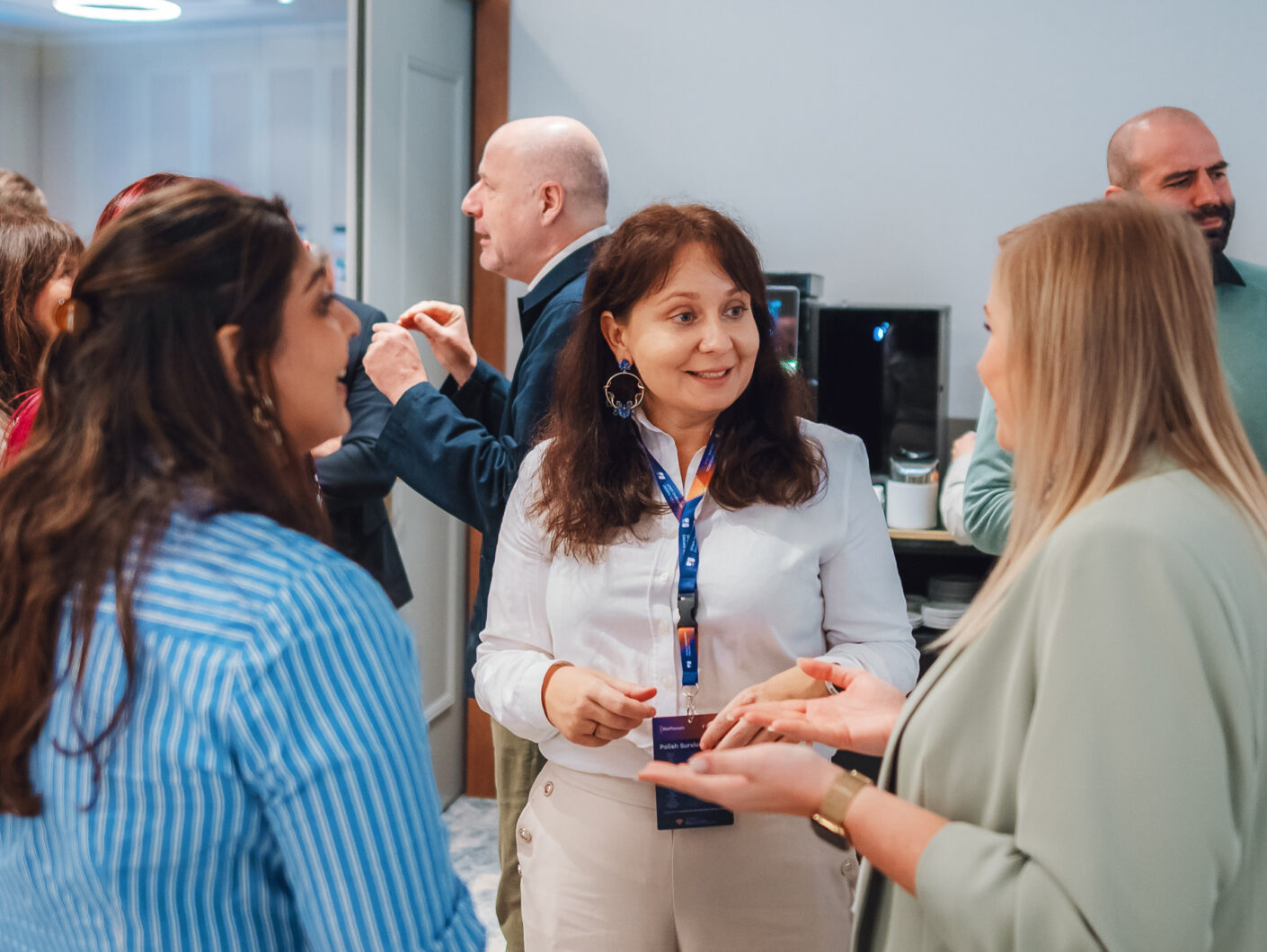
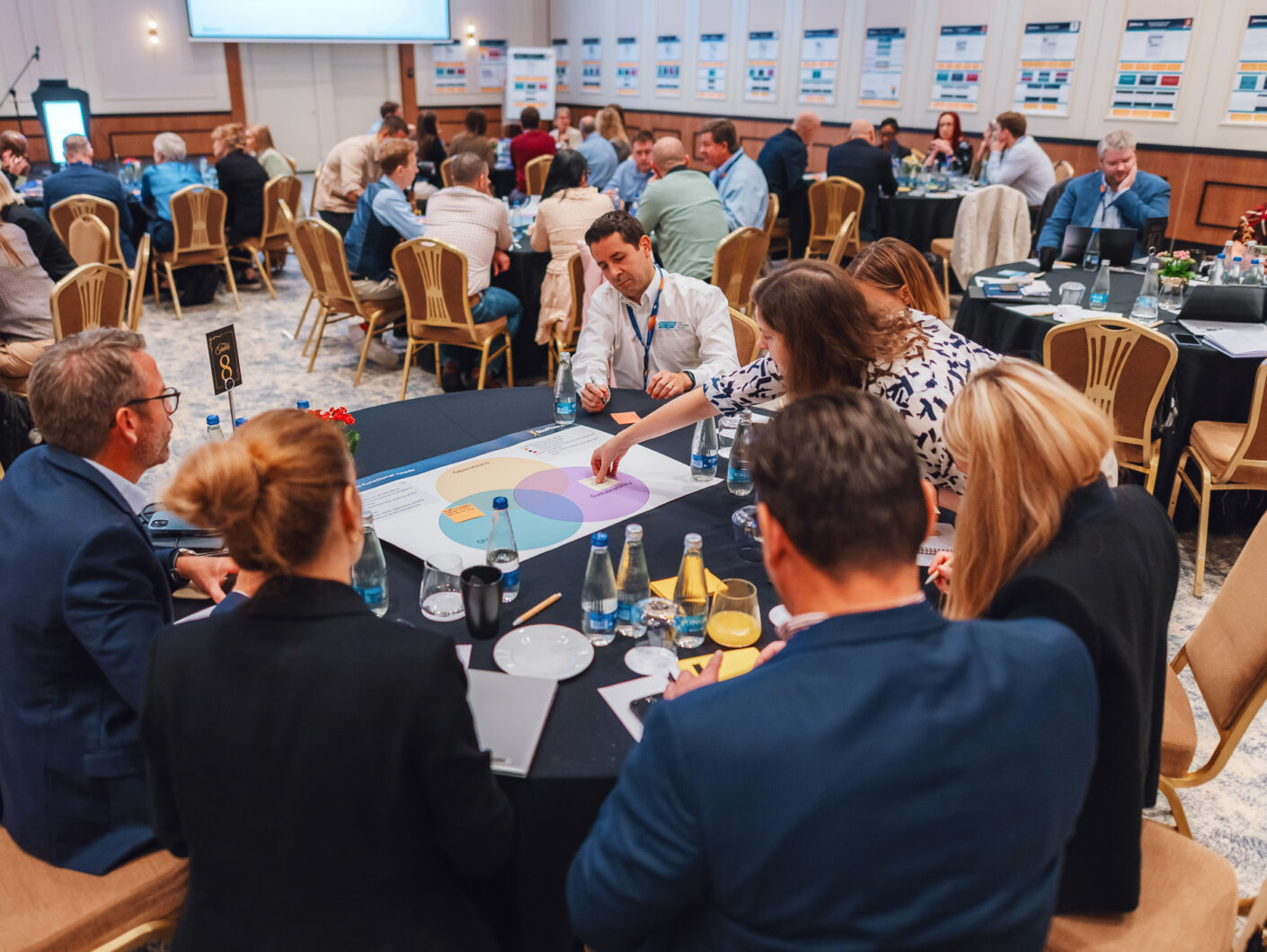
From 29 September to 1 October, Warsaw became a meeting point for leaders and experts from across the global biopharmaceutical industry. Together with Biophorum Drug Substance, Quality and Sustainability members, we explored how stronger collaboration across the value chain can help accelerate agility, enhance quality and advance sustainability.
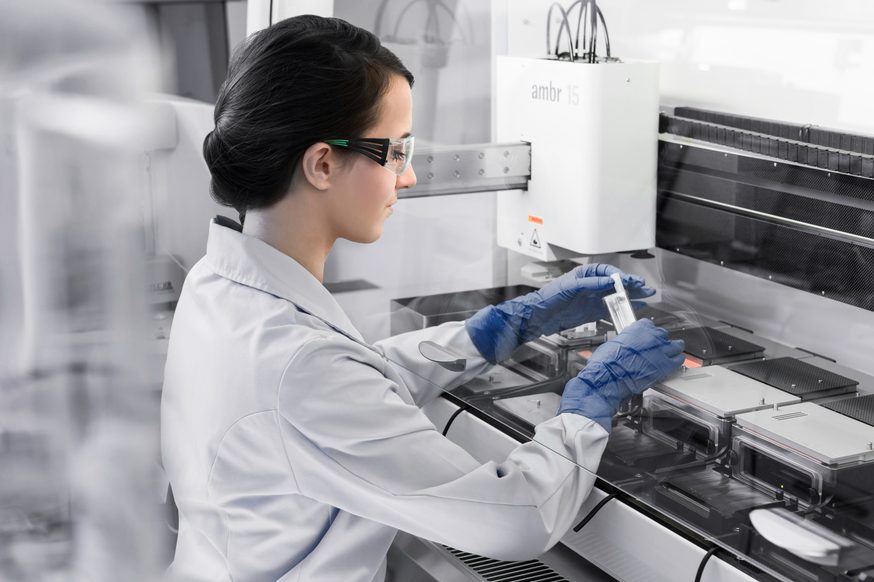
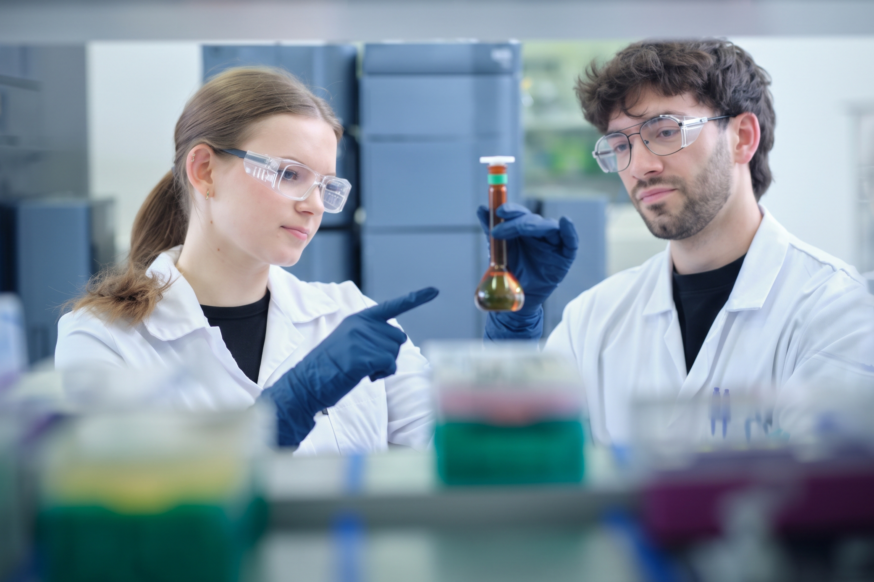
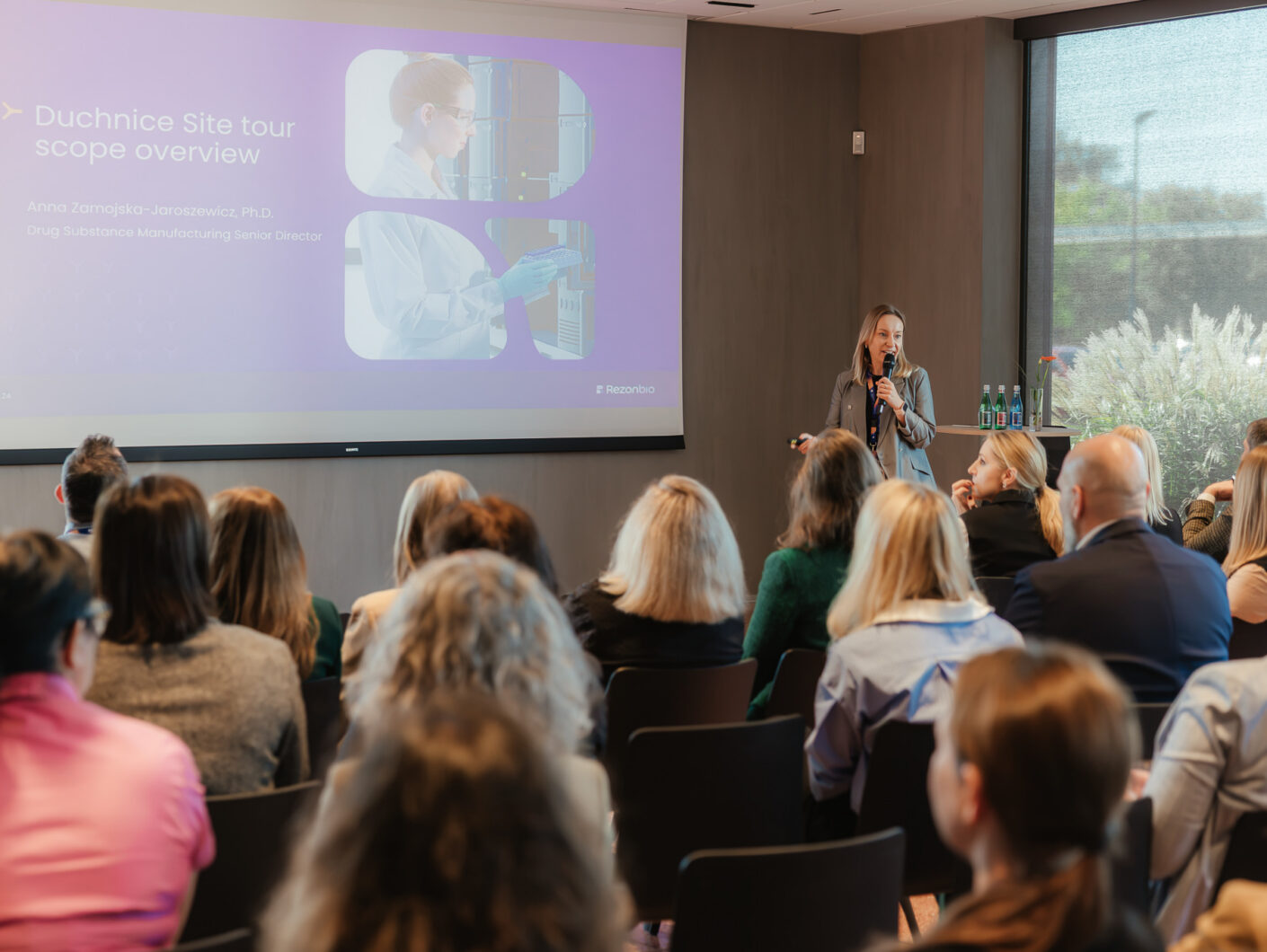
As part of the event, we were honored to welcome BioPhorum members to our Duchnice facility, where we had the opportunity to showcase our manufacturing, MSAT (Manufacturing Science and Technology) and quality control capabilities, share our experience, and introduce the people behind the science.
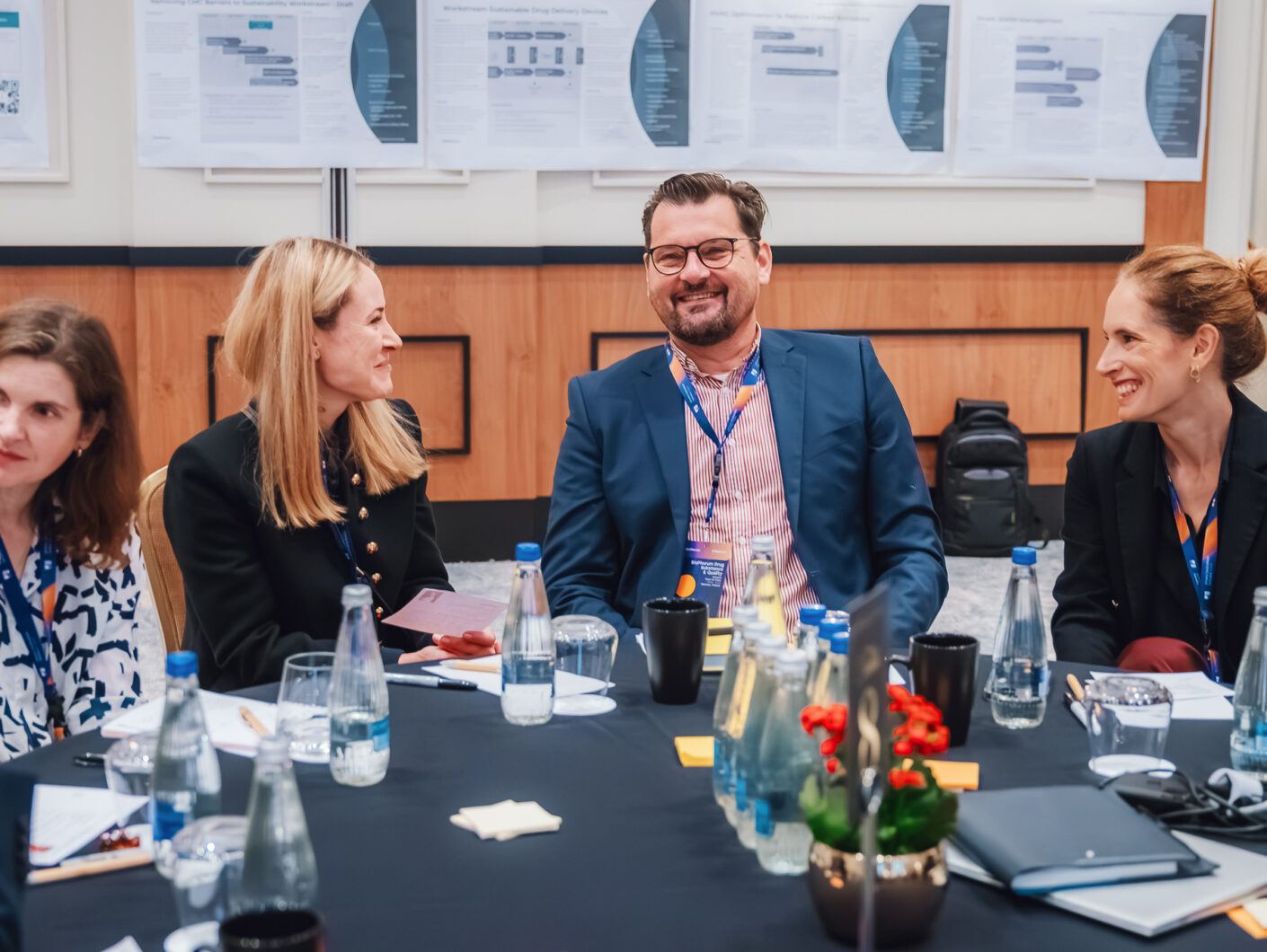
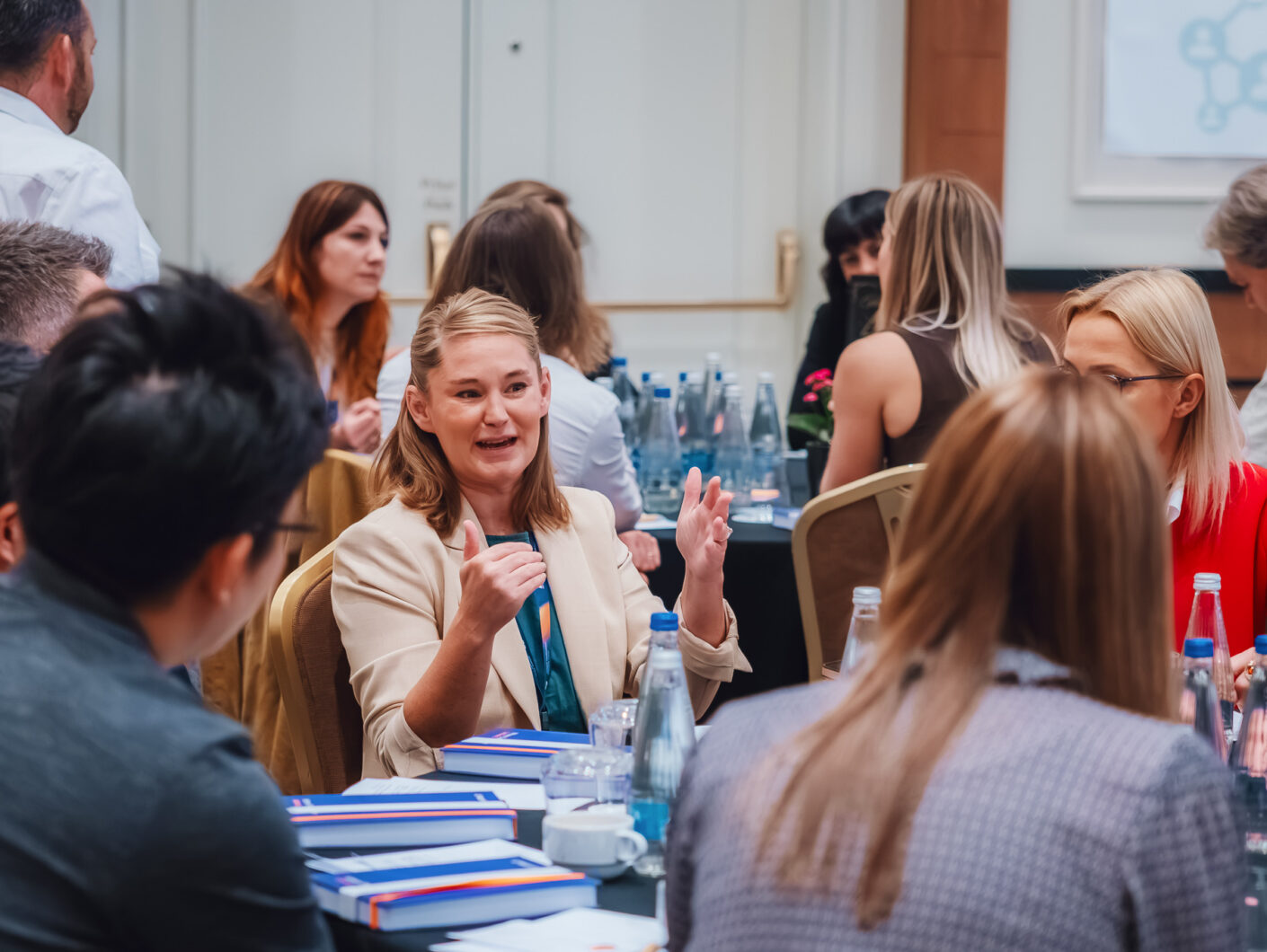
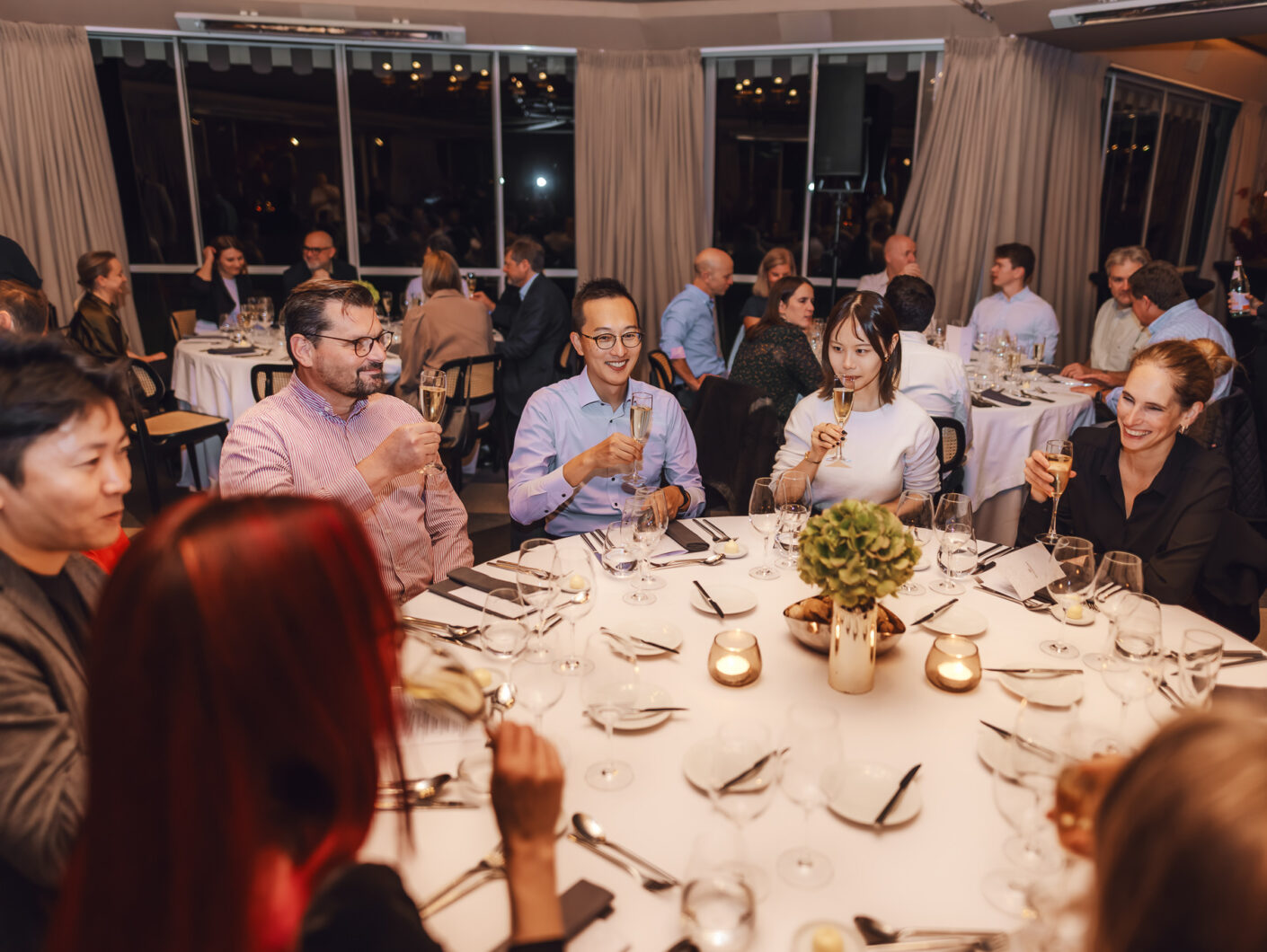
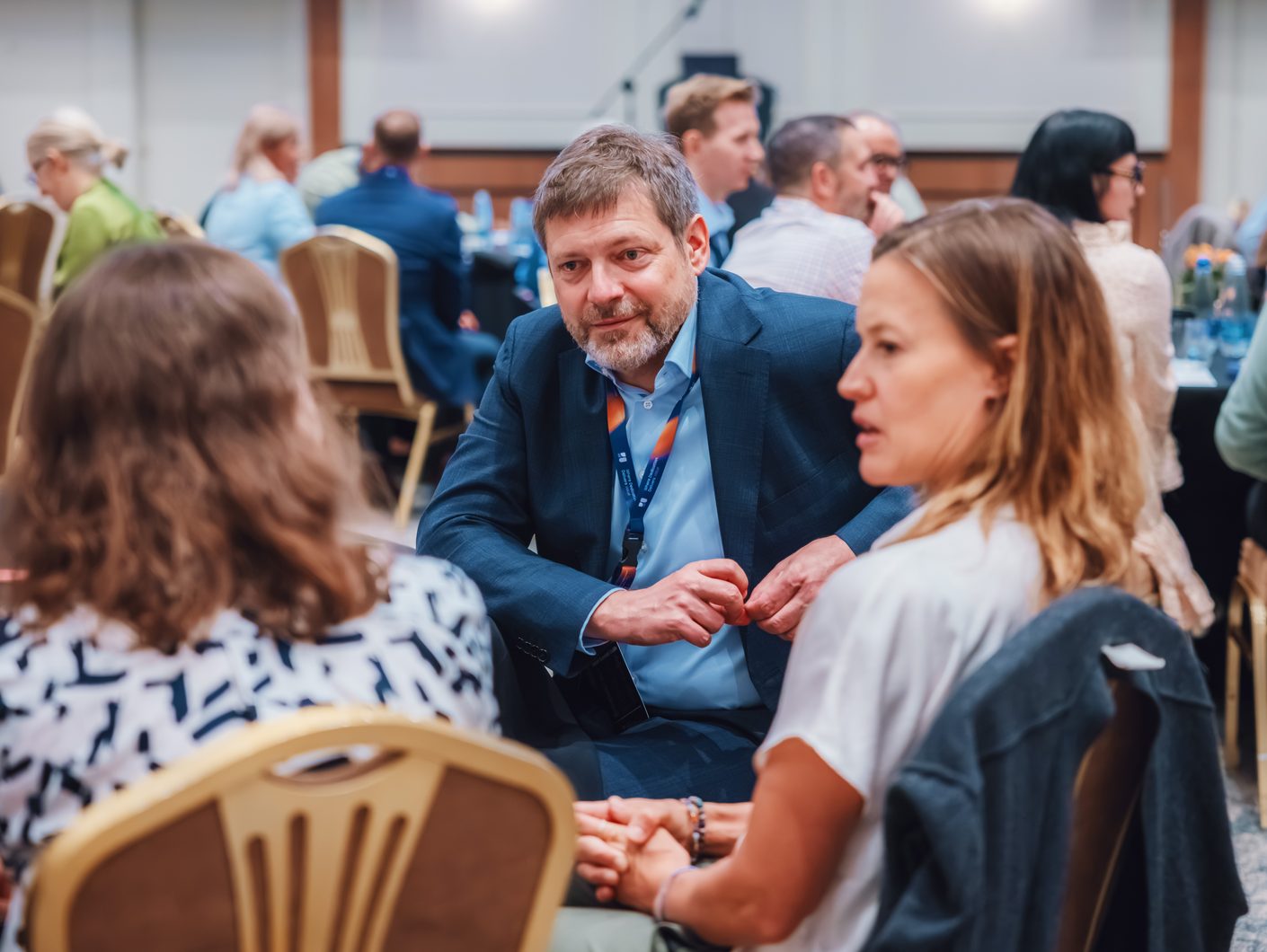
Most importantly, the event created space for open discussions, knowledge sharing and meaningful connections.
What BioPhorum is?
BioPhorum is an international cooperation of the biopharmaceutical industry, which brings together around 150 manufacturers and suppliers and about 5000 leaders and experts from all over the world. Representatives of pharmaceutical companies, biotechnology companies, CDMOs (Contract Development and Manufacturing Organizations) and technology suppliers from Europe, North America and Asia participate in its work.
The aim of this cooperation is not only to exchange knowledge, but also to develop practical solutions, good practices and common approaches that can be used by companies across the sector.
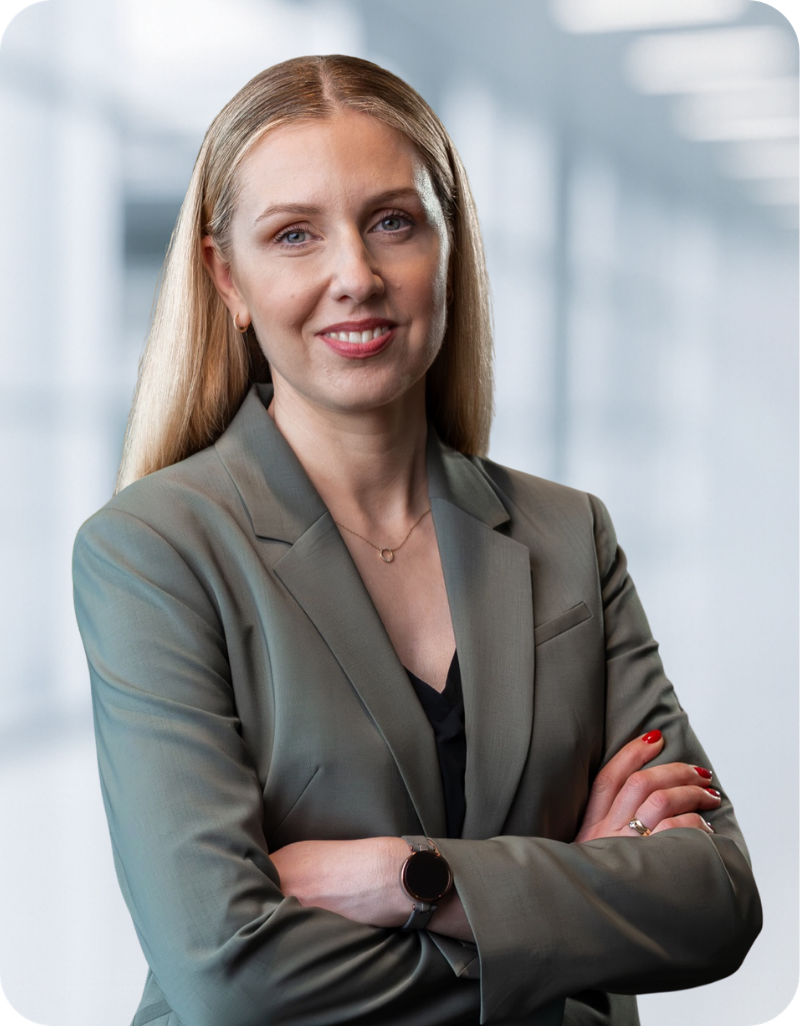
CEO
“BioPhorum was created from the simple assumption that some of the problems of the biopharmaceutical industry are too complex for each company to solve separately. That is why competing organizations collaborate in areas where a shared solution can improve the performance of the entire sector.
Thereport of experts dealing with how to actually produce biological drugs better, faster, safer and more efficiently confirms that Poland already has the competences needed to participate in this conversation as a partner” says Dr. Adriana Kiędzierska-Mencfeld, CEO of Rezon Bio.
The importance of biologics is growing
The importance of such meetings is growing with the development of biologics, which are characterized by particular complexity of the manufacturing process. In 2025, 12 of the 46 new therapies approved by the US FDA were biologics, and 18 biosimilars were approved in parallel1.
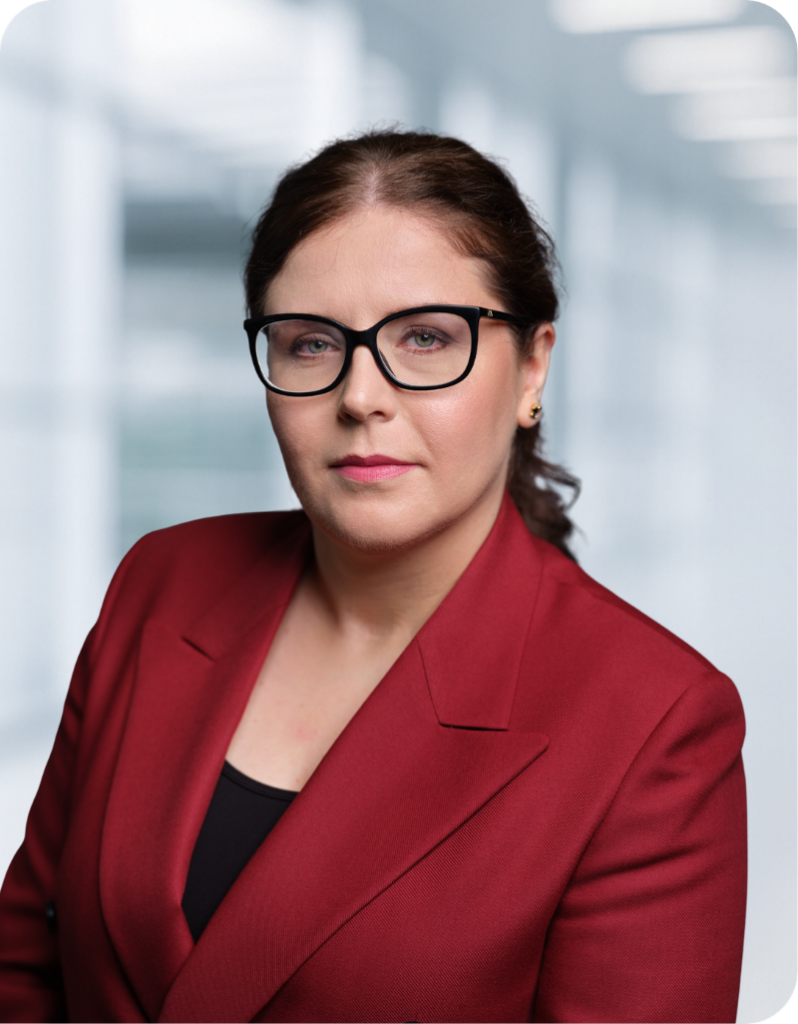
Associate VP Integrated MS&T
“In this sector, the mere discovery of a new therapy is not enough. You still need to be able to move the process from the lab to production, scale it up, ensure repeatable quality and meet regulatory requirements. The exchange of experience between companies can shorten the path from a scientific solution to stable production and help make new therapies available to patients faster”, explains the expert” says Justyna Adamczyk, Associate VP Integrated MS&T.
We are honored to have welcomed BioPhorum leaders to Poland and to have hosted discussions that help shape the future of biologics development, manufacturing and quality. Events like these demonstrate the power of collaboration, openness and shared expertise across our industry.
Scaling Qualitative Biotech Process
One of the topics of the meeting in Duchnice was the future of MSAT, i.e. the area responsible for the transfer of processes to production, their scaling and support for commercial manufacturing. This feature combines the development of the process with its implementation and execution in production conditions. In biopharmacy, it is of particular importance because processes often use living biological systems and require constant monitoring of variability and parameters affecting product quality. The participants also discussed the competence gap in the sector, the launch of new plants, models of cooperation between drug development companies and specialized partners responsible for their development and production, i.e. CDMO organizations.
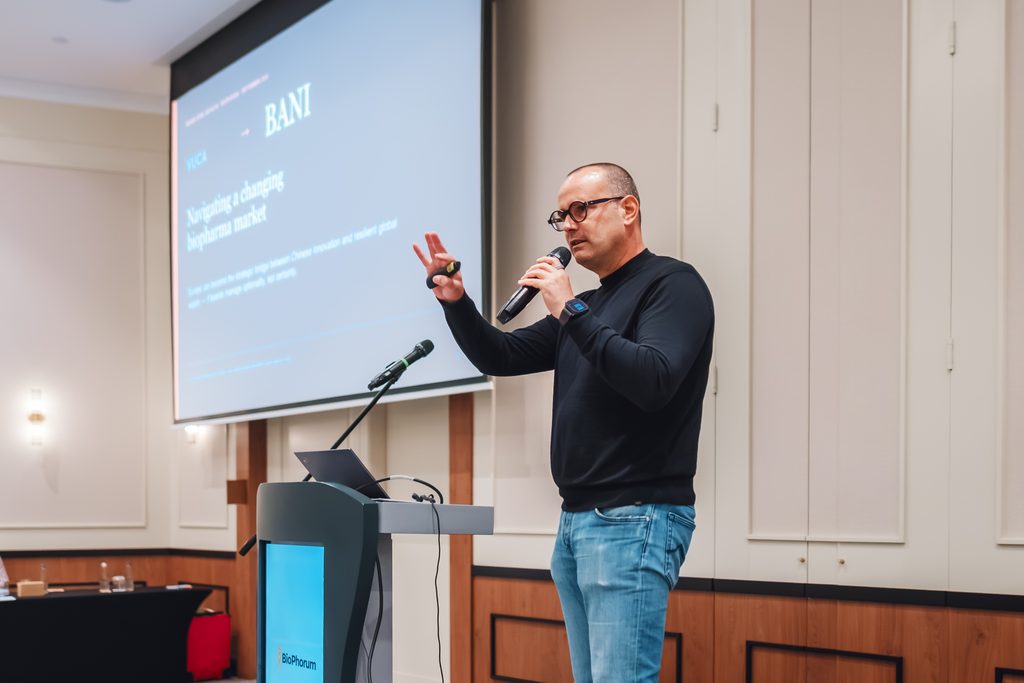
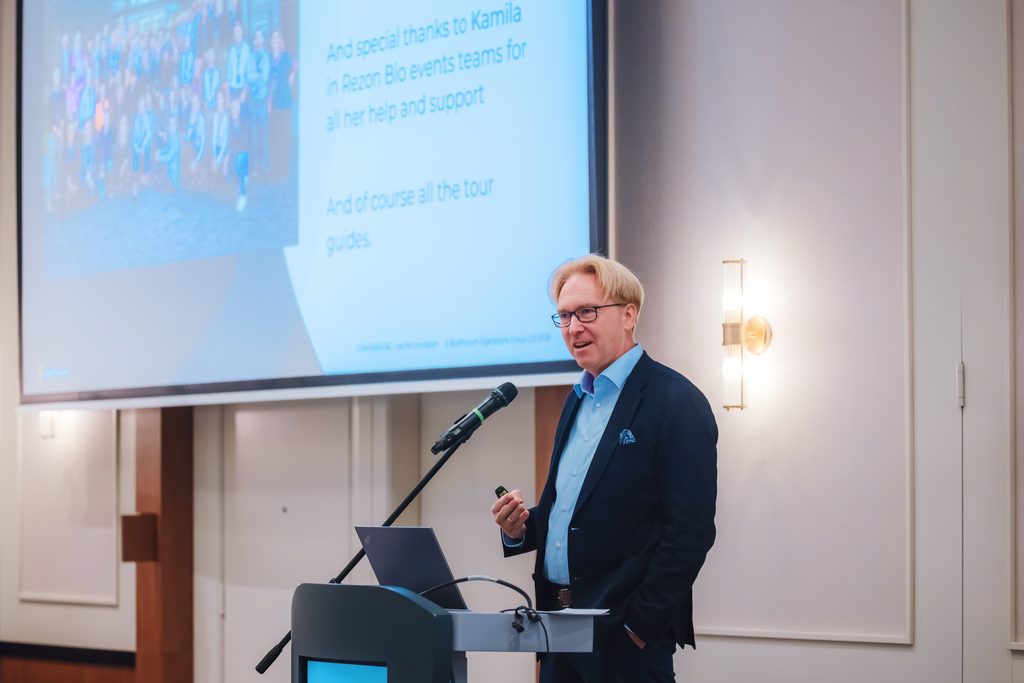
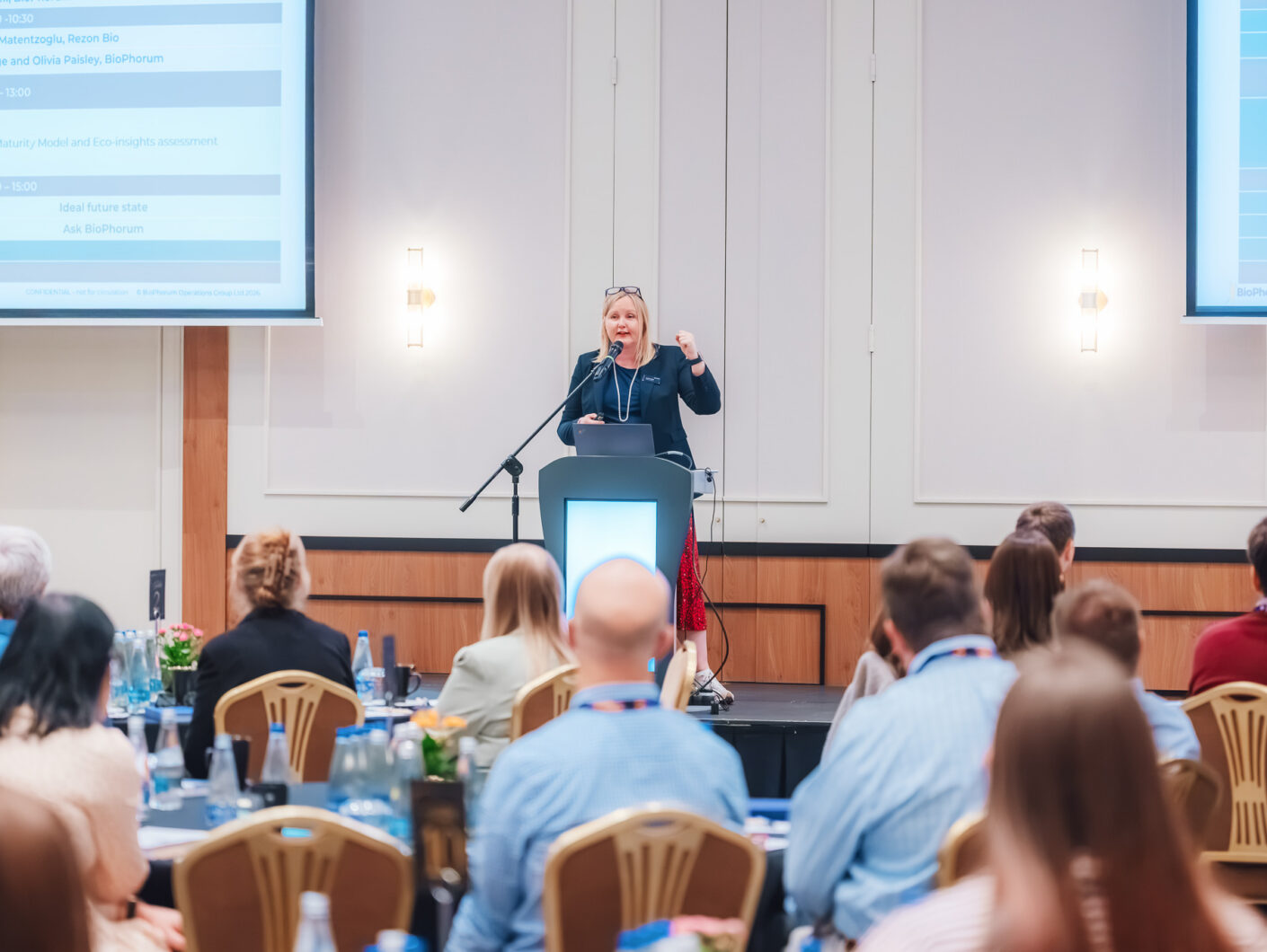
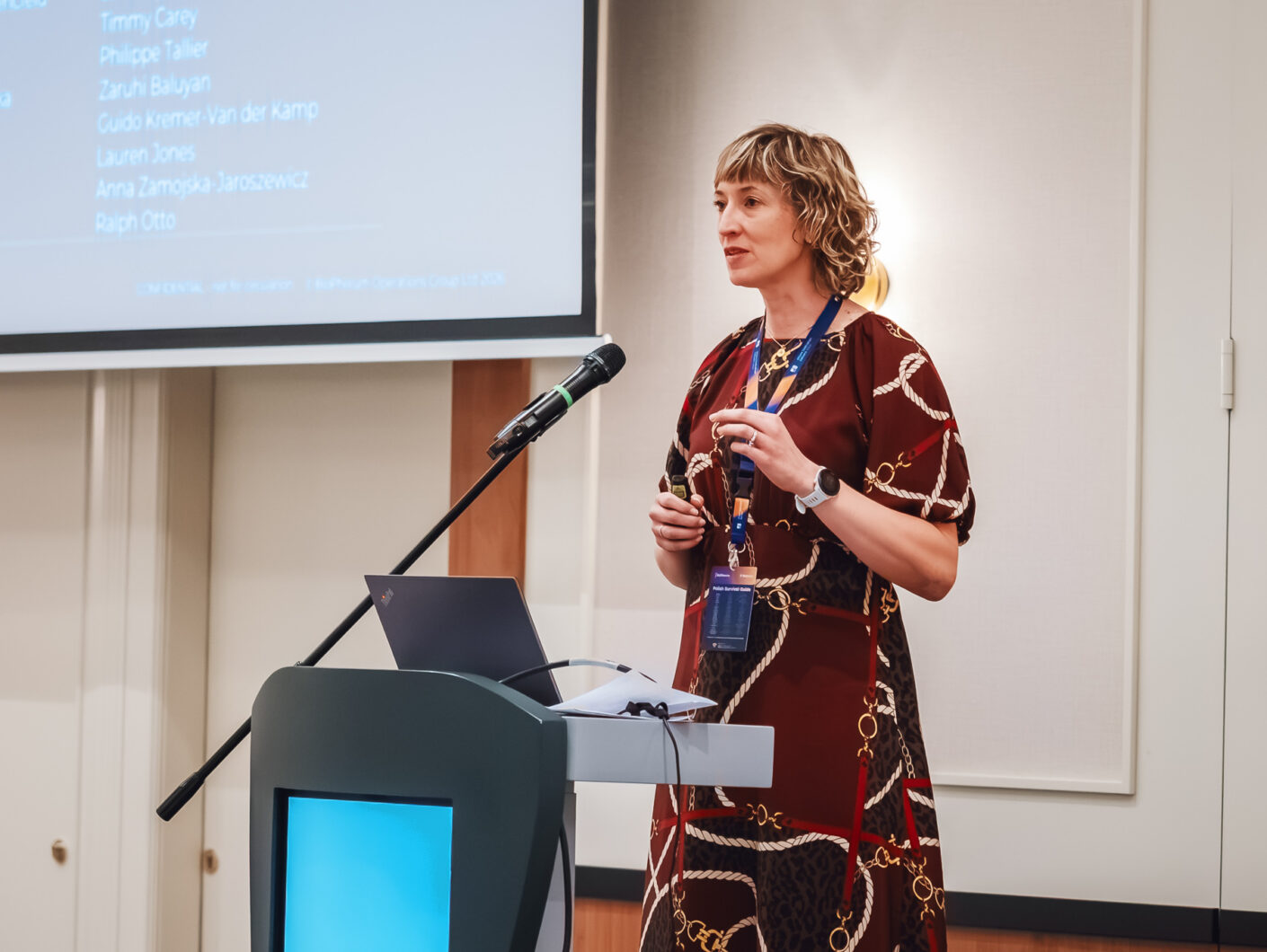
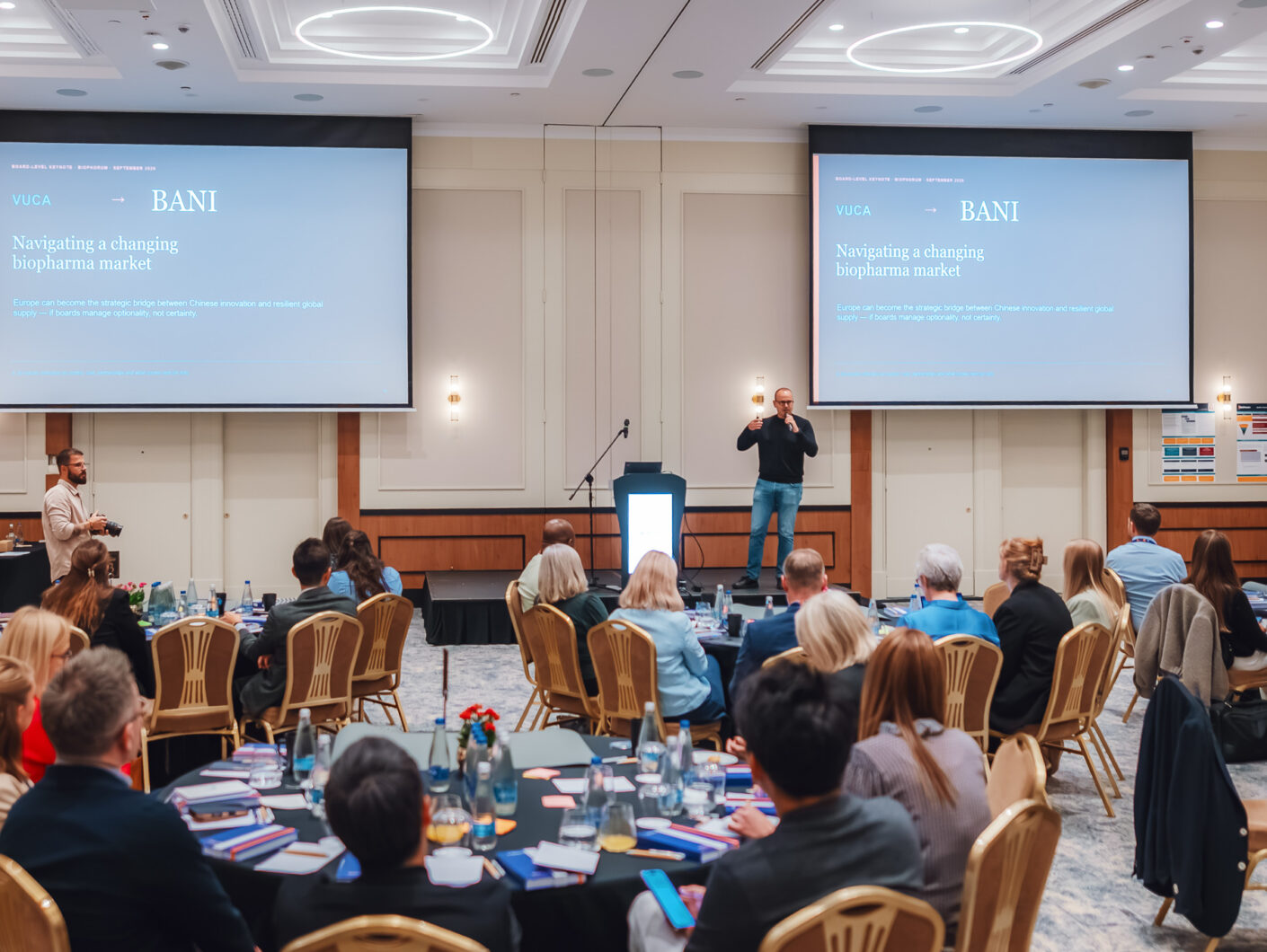
In addition to the discussions and site visit, the agenda included presentations by Dr. Konstantin Matentzoglu (Chairman of the Supervisory Board) and Dr. Ralf Otto (Chief Operating Officer).
Konstantin explored how geopolitical developments, emerging partnership models, and resilience strategies are reshaping the global biopharmaceutical landscape, with a particular focus on Europe’s role as a bridge between innovation and global supply. Meanwhile, Ralf shared his perspective on leading in a multi-challenge world, highlighting how organizations can successfully navigate change by combining strong foundations in quality, patient focus, and scientific rigor with agility, collaboration, and continuous capability development. Together, their presentations complemented the broader discussions on innovation, operational excellence, and the future of the biopharmaceutical industry.
Collaboration that leads to practical solutions
“BioPhorum’s strength is the possibility of open cooperation between experts who face similar challenges in different companies and parts of the world on a daily basis. Such meetings allow us to compare approaches, learn from practical experience and jointly develop solutions that can serve the entire industry. The visit to Poland showed us the competence and experience of the teams operating here in the areas of production, MSAT, quality and sustainability”, says Nicola Powell, Phorum Director, BioPhorum Drug Substance.
At Rezon Bio, we believe that progress happens when expertise, innovation and collaboration come together.
Hosting BioPhorum at our Duchnice site was an opportunity not only to showcase our capabilities, but also to contribute to meaningful industry conversations that ultimately help bring life-changing therapies to patients faster and more efficiently.
Photo gallery:


References
- “Advancing Health Through Innovation. New Drug Therapy Approvals 2025”.